





PARB strengthens national fiscal resilience through responsive policies, sustainable financing innovation, and strategic collaboration for Indonesia's long-term economic stability.
Strategi nasional untuk memastikan ketersediaan dana penanggulangan bencana yang cepat,
tepat, dan berkelanjutan tanpa mengganggu stabilitas keuangan negara.
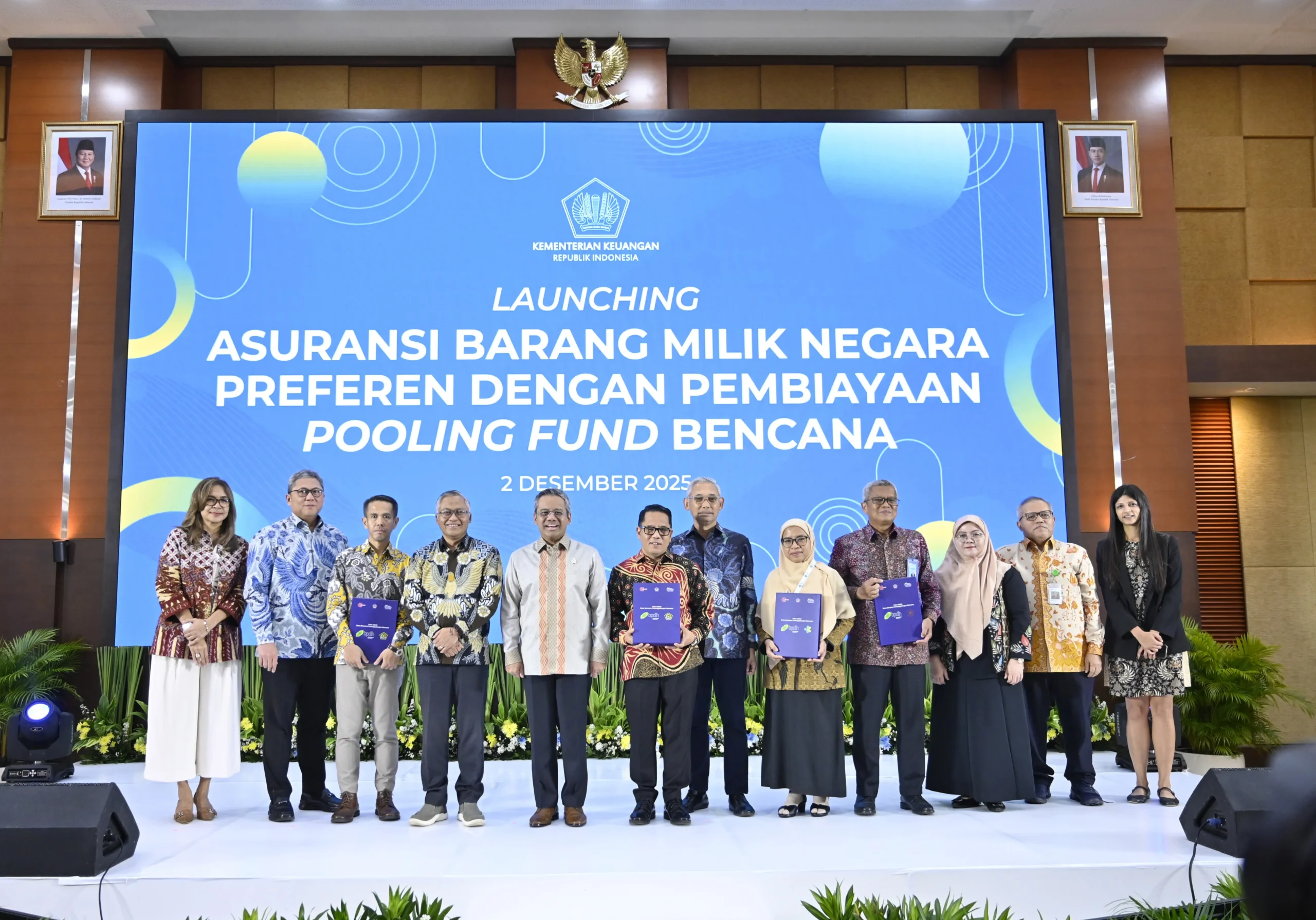
Peluncuran program asuransi Barang Milik Negara (BMN) dengan skema pendanaan Pooling Fund Bencana (PFB) menandai langkah strategis pemerintah dalam memperkuat perlindungan aset negara dari risiko bencana. Dalam acara yang digelar
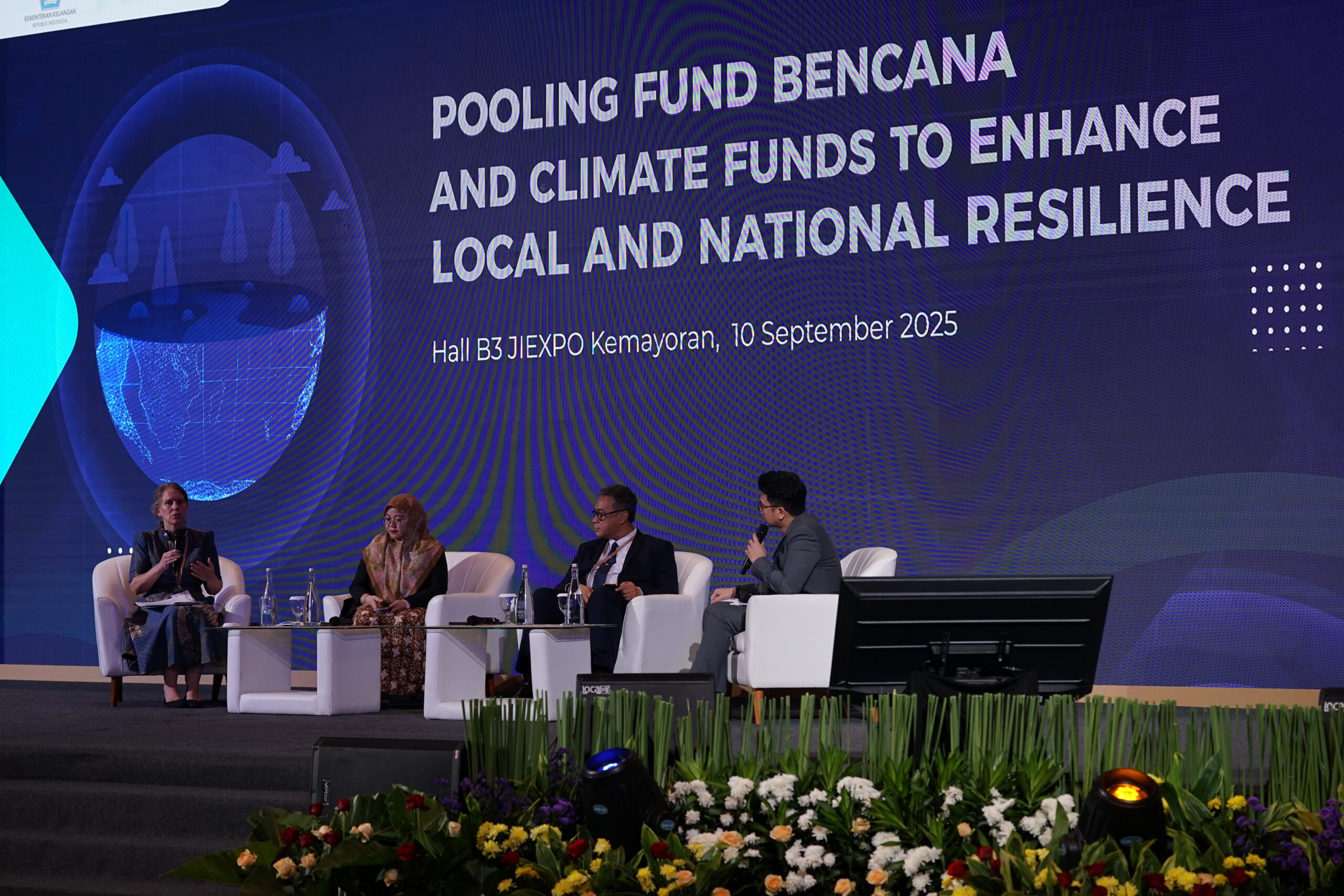
Kementerian Keuangan melalui Direktorat Jenderal Strategi Ekonomi dan Fiskal (DJSEF) menggelar sosialisasi mengenai Strategi Pembiayaan dan Asuransi Risiko Bencana (PARB) dan Pooling Fund Bencana (PFB) di enam kota, yaitu di
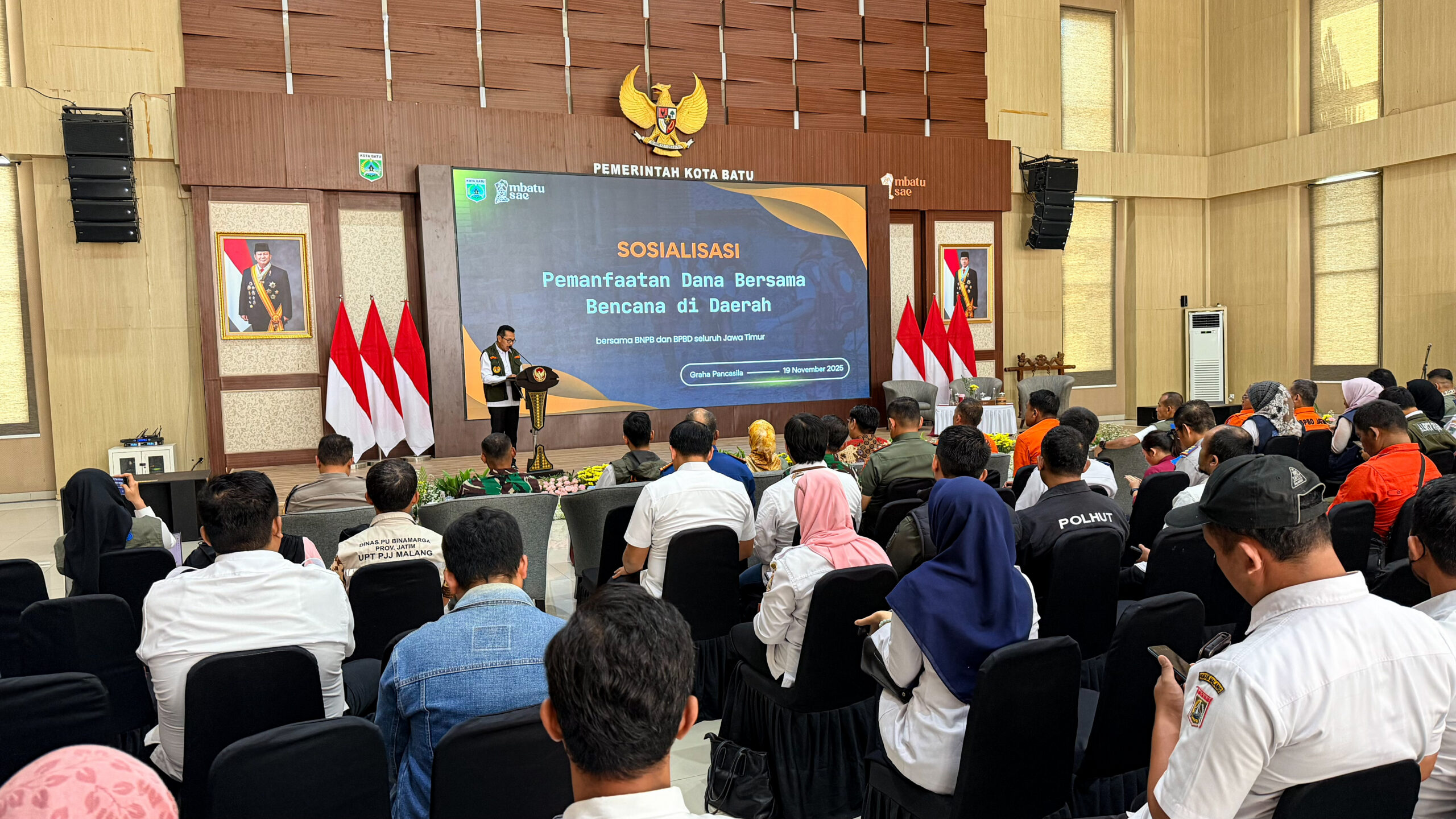
Dalam rangka memperkuat pemahaman Pemerintah Daerah terhadap skema PFB, BNPB berkolaborasi dengan DJSEF dan BPDLH melaksanakan kegiatan Sosialisasi Dana Bersama Penanggulangan Bencana. Kegiatan sosialisasi terlaksana pada 19 dan 20 November
Dalam rangka meningkatkan pemahaman dan kesadaran publik terhadap keberadaan serta fungsi PFB, Badan Nasional Penanggulan Bencana (BNPB) bekerja sama dengan Badan Pengelola Dana Lingkungan Hidup (BPDLH) dan Direktorat Jenderal Strategi
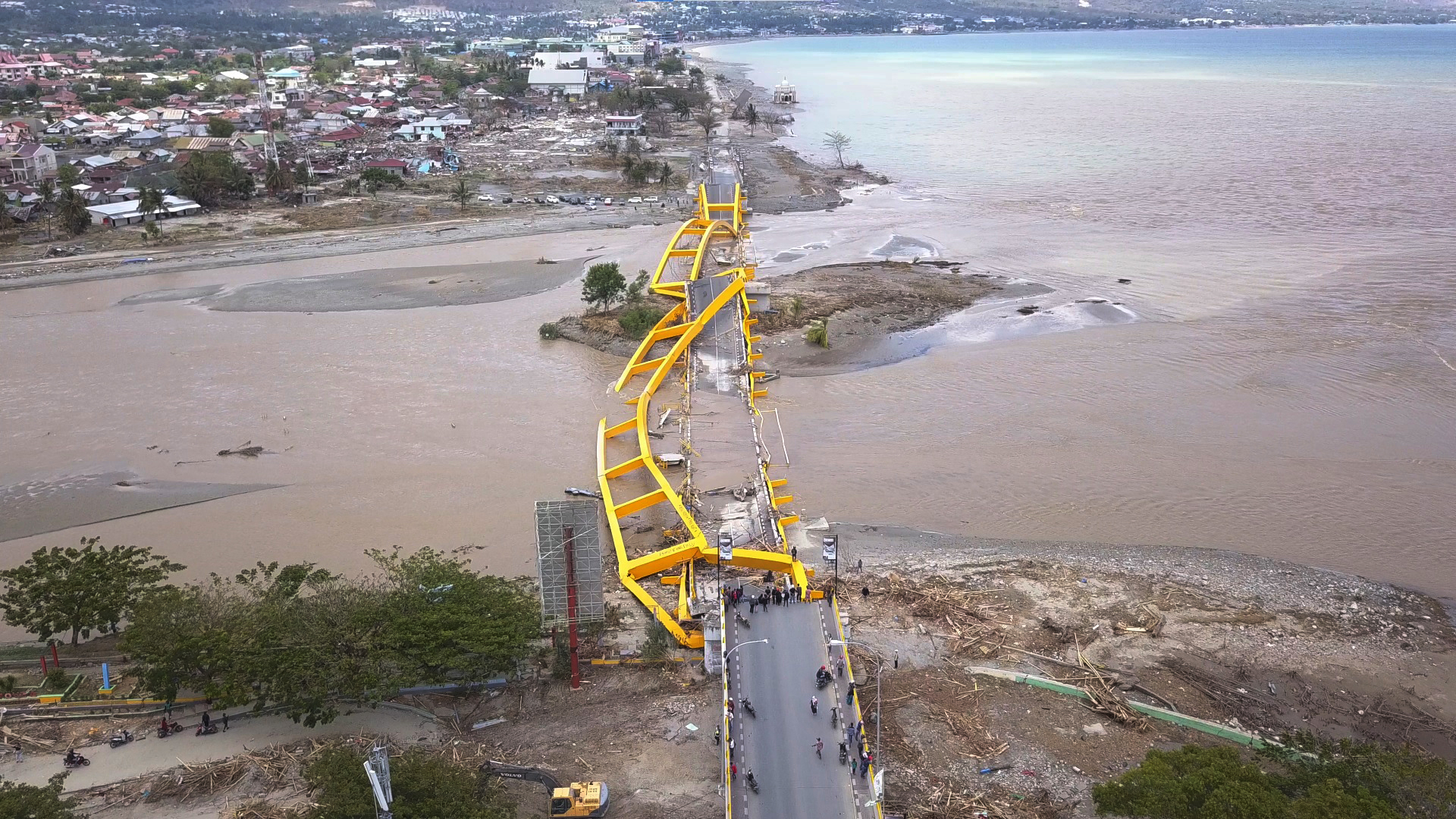
According to WorldRiskReport 2025 Indonesia ranks third globally behind the Philippines and India. With an index score of 39.80 the country faces extreme natural threats including floods and earthquakes. Beyond geographic factors socio-economic vulnerabilities significantly worsen these risks. However the report praises Indonesian local wisdom in disaster mitigation. The use of natural signs and simple evacuation tools has proven effective in strengthening community resilience against extreme flooding events.
To address the financing gap between recovery needs and emergency funding availability, the Ministry of Finance formulated the PARB Strategy framework. This strategy is a protection ecosystem that combines risk retention (providing reserve funds) with risk transfer (shifting the burden through insurance).
Through this policy umbrella, the government seeks to proactively increase funding capacity, not only for the emergency response phase, but also for pre-disaster mitigation and long-term recovery.
Accumulation of state revenue through taxes, PNBP, and strategic financing instruments.
Prudent planning of APBN allocation to maintain national macroeconomic stability.
Accountability reports (LKPP) that are audited and open to the public.
Improving public welfare, social protection, and economic growth.
Budget execution to priority sectors: infrastructure, education, health, and regions.
As a driving force in the PARB strategy, the government established a Disaster Pooling Fund (PFB). The PFB is a scheme for collecting, accumulating, and disbursing funds specifically for disasters by a fund management institution.
Unlike traditional budget systems that are bound by annual limits, the PFB is flexible and accumulative. Funds collected from the state budget (APBN), regional budgets (APBD), and grants are managed and invested. The returns from these investments are then used to increase preparedness funding capacity and ensure the availability of rapid liquidity (*standby facility*) whenever a disaster occurs.
Mekanisme pendanaan bencana yang adaptif, mendobrak kekakuan siklus anggaran tahunan. Mengakumulasi dana saat aman, melindungi aset saat bencana, dan mempercepat pemulihan pascabencana.
Akumulasi pendapatan negara melalui pajak, PNBP, dan instrumen pembiayaan strategis.
Perencanaan alokasi APBN yang pruden untuk menjaga stabilitas makroekonomi nasional.
Eksekusi anggaran ke sektor prioritas: infrastruktur, pendidikan, kesehatan, dan daerah.
Peningkatan kesejahteraan publik, perlindungan sosial, dan pertumbuhan ekonomi riil.
Laporan pertanggungjawaban (LKPP) yang diaudit dan terbuka untuk publik.
Indonesia faces extreme geological and hydrometeorological threats due to its geographic location.
Floods and landslides dominate 98% of disasters, occurring almost every day due to extreme weather.
Earthquakes and volcanoes are rare (2%), but their impact is the most fatal for human lives.
The risk of an outbreak has decreased dramatically since 2022, and is now very small compared to physical natural disasters.
Policy implementation is strengthened through synergy with specialist
institutions to ensure environmental sustainability and disaster resilience.
Harmonisasi Kebijakan Keuangan Hijau
Pengelola Dana & Ekonomi Karbon
Data Risiko & Mitigasi Bencana
Manajemen Aset & Asuransi Negara
Pembiayaan & Manajemen Risiko Fiskal
Penyalur Dana Transfer Daerah
A key partner in channeling funds for ecological sustainability, forest conservation, and carbon emission reduction.
Strategic partners in disaster risk mitigation, emergency response, and post-disaster rehabilitation.
Banjir dan longsor mendominasi 98% bencana, terjadi hampir setiap hari akibat cuaca ekstrem.
Gempa dan gunung api jarang terjadi (2%), namun dampaknya paling fatal bagi korban jiwa.
Risiko wabah menurun drastis pasca-2022, kini angkanya sangat kecil dibanding bencana alam fisik.

Peluncuran program asuransi Barang Milik Negara (BMN) dengan skema pendanaan Pooling Fund Bencana (PFB) menandai langkah strategis pemerintah dalam memperkuat perlindungan aset negara dari

Kementerian Keuangan melalui Direktorat Jenderal Strategi Ekonomi dan Fiskal (DJSEF) menggelar sosialisasi mengenai Strategi Pembiayaan dan Asuransi Risiko Bencana (PARB) dan Pooling Fund Bencana
Dalam rangka memperkuat pemahaman Pemerintah Daerah terhadap skema PFB, BNPB berkolaborasi dengan DJSEF dan BPDLH melaksanakan kegiatan Sosialisasi Dana Bersama Penanggulangan Bencana. Kegiatan sosialisasi
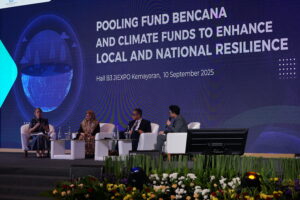
Dalam rangka meningkatkan pemahaman dan kesadaran publik terhadap keberadaan serta fungsi PFB, Badan Nasional Penanggulan Bencana (BNPB) bekerja sama dengan Badan Pengelola Dana Lingkungan
Banjir dan longsor mendominasi 98% bencana, terjadi hampir setiap hari akibat cuaca ekstrem.
Gempa dan gunung api jarang terjadi (2%), namun dampaknya paling fatal bagi korban jiwa.
Risiko wabah menurun drastis pasca-2022, kini angkanya sangat kecil dibanding bencana alam fisik.
The Disaster Pooling Fund (PFB) is a shared fund managed by the government to finance disaster management activities. It serves as a sustainable financial reserve (standby fund), ensuring that the government does not rely solely on the limited state budget during major disasters.
The capital or funding for PFB comes from several sources, including:
State and Regional Budgets (APBN & APBD): Routine allocations from national or local government funds.
Investment Returns: Accumulating added value by managing existing funds productively.
Non-Tax State Revenue (PNBP): Income from services or other legitimate state sources.
Grants and Donations: Assistance from the private sector, the public, or international agencies.
The PFB is managed by the Environmental Fund Management Agency (BPDLH), which operates under the Ministry of Finance. BPDLH acts as a Public Service Agency (BLU) responsible for collecting, growing, and distributing the funds to protect the public from the impacts of disasters.
Risk transfer in the context of the Disaster Pooling Fund (PFB) is a financial strategy by the government to shift the burden of financial losses caused by natural disasters to third parties, such as insurance companies or global capital markets. Through this mechanism, the government pays regular premiums so that when a major disaster occurs, the cost of infrastructure repair or aid delivery does not entirely drain the state budget. Instead, these costs are covered by insurance claims or financial instruments like catastrophe bonds. This approach transforms disaster management from a reactive model to a proactive and measured one, ensuring that recovery can proceed swiftly without compromising national budget stability.